

A 2,000 Year Old Story on One Site
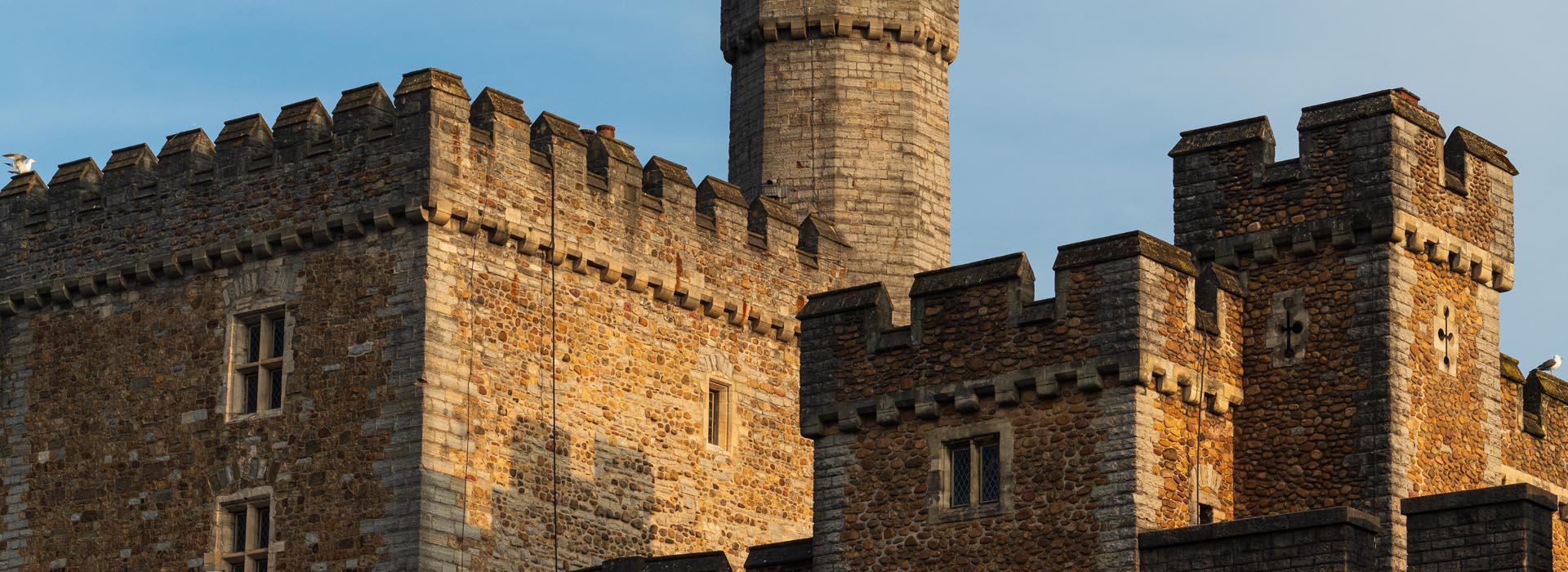
Cardiff Castle tells a story unlike almost any other in Britain. For nearly 2,000 years, the same site has been continuously adapted, rebuilt and reimagined — each generation leaving its mark.
From Roman soldiers to Victorian visionaries, the castle’s long history is still visible today, making it one of the most historically layered sites in Wales.
Roman Origins
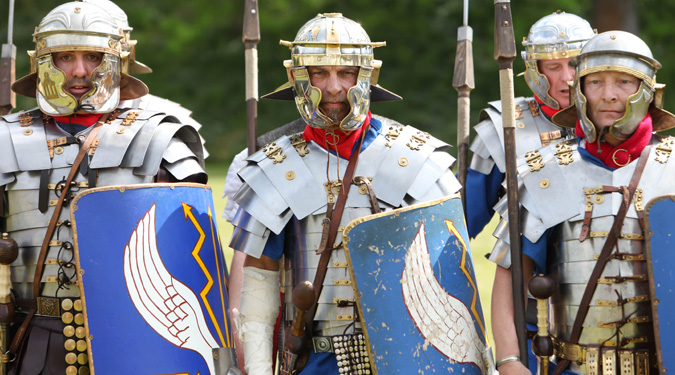
The Romans first built a fort at Cardiff at the end of the 50s AD, occupying a strategic river crossing that afforded easy access to the sea. Archaeological excavations have indicated that a series of four forts, each a different size, occupied the site at different times.
The final fort was an impressive stone construction and remains of these Roman walls can still be seen here today. While the fort may have been abandoned after the Roman withdrawal, the nearby settlement remained and came to be known as Caer-Taff, meaning fort on the Taff.
The Normans and Medieval Cardiff
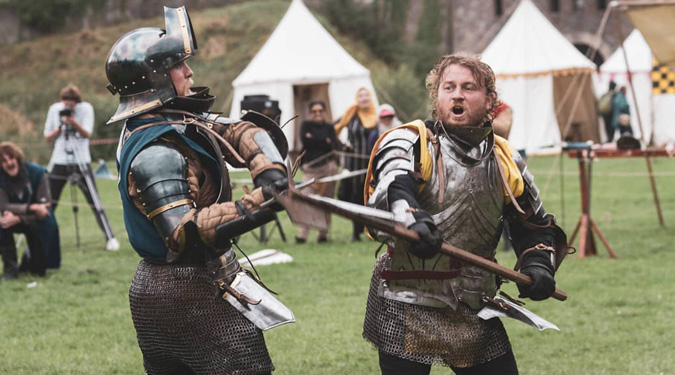
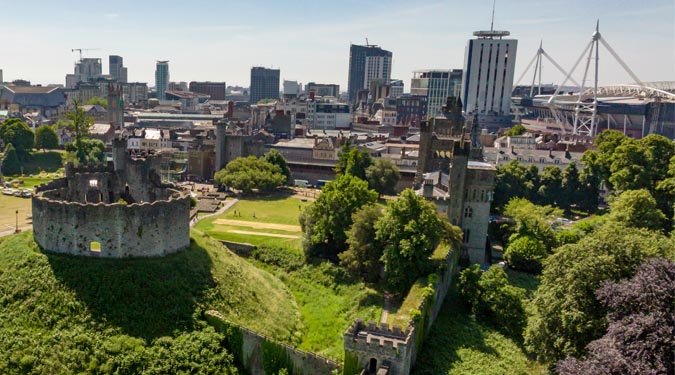
After the Norman Conquest, a wooden motte and bailey castle was established within the footprint of the old Roman fortification. The imposing keep and high walls created a powerful stronghold, symbolising control over the surrounding area and the local population.
A succession of noble lords expanded the site over several centuries, rebuilding in stone and adding both domestic and defensive structures to suite the tastes and needs of the time. Many of these features still define the castle today.
Victorian Transformation
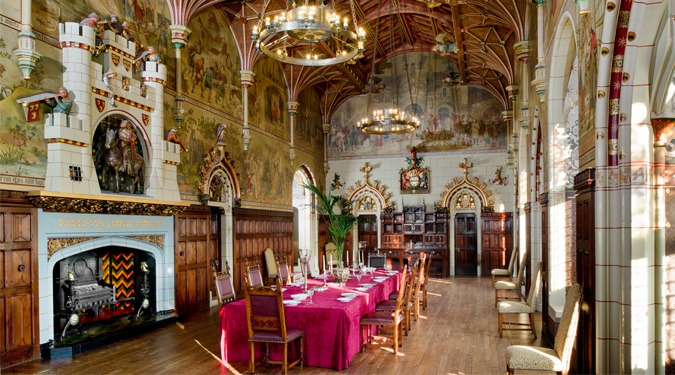
During the 19th century, Cardiff Castle underwent perhaps its most dramatic change. Fuelled by incredible mineral wealth from his Welsh estates and a burning passion for history, the 3rd Marquess of Bute collaborated with genius art-architect William Burges.
Together, they transformed Cardiff’s medieval fortress into a lavishly decorated Gothic revival residence, blending history, imagination and craftsmanship on an extraordinary scale.

Horrors of World War Two
During the war years from 1939 – 1945, the 4th Marquess of Bute volunteered Cardiff Castle for what will likely be the final defensive role in its long and colourful history.
With the threat of bombing raids by the Nazi’s Luftwaffe hanging over the city, air raid shelters were created within tunnels hidden inside the Castle’s walls. When the sirens sounded, almost 2,000 residents and local workers could seek shelter here, protected by the earth banks and layers of masonry above.
A Castle for the Modern City
With the passing of the 4th Marquess in 1947, the Castle and its remaining parklands were given as a gift to the city of Cardiff and its people. Following a brief stint as home to the Royal Welsh College of Music and Drama, the Castle became a major tourist attraction.
Today, Cardiff Castle stands as both a historic monument and a public space, allowing visitors to experience nearly two millennia of history within a single visit.

Visiting Cardiff Castle
Visitors come to Cardiff Castle for many reasons: history, architecture, city views, family-friendly exploration or simply a peaceful green space in the heart of the city. Whether you’re visiting Cardiff for the first time or rediscovering the city, Cardiff Castle offers a unique chance to step out of the present and into the past - without ever leaving the city centre.
